The Secrets Within: Unveiling the Layers of a Classified Intelligence Dossier
In an age where information is power, understanding the intricacies of a classified intelligence dossier becomes paramount. These documents, often shrouded in secrecy, hold critical insights into national security, espionage, and strategic operations. This article aims to delve into the secrets within these dossiers, unveiling their layers and revealing their significance in the intelligence community.
What is a Classified Intelligence Dossier?
A classified intelligence dossier is a comprehensive collection of information that is deemed sensitive or confidential by government entities. These dossiers play a crucial role in shaping policies, guiding military strategies, and informing decision-makers about potential threats. The classification of such documents ensures that only authorized personnel have access to the information, thereby protecting national interests.
The Purpose of Classified Intelligence Dossiers
Classified intelligence dossiers serve multiple purposes, including:
- Threat Assessment: Evaluating potential risks to national security.
- Operational Planning: Guiding military and intelligence operations.
- Policy Formulation: Informing government policies and diplomatic strategies.
- Historical Record: Preserving important information for future reference.
The Layers of a Classified Intelligence Dossier
Understanding the layers of a classified intelligence dossier is essential for grasping how intelligence is gathered, analyzed, and utilized. These layers can be broken down into several key components:
1. Source Information
The foundation of any classified intelligence dossier lies in the sources from which the information is derived. These sources may include:
- Human Intelligence (HUMINT): Information gathered from human sources, such as informants or defectors.
- Signals Intelligence (SIGINT): Data intercepted from communications and electronic signals.
- Imagery Intelligence (IMINT): Visual data obtained from satellites or reconnaissance missions.
- Open Source Intelligence (OSINT): Publicly available information, such as news articles and social media.
2. Analysis and Interpretation
Once the information is collected, analysts play a crucial role in interpreting the data. This involves:
- Contextualizing Information: Placing data within the broader geopolitical landscape.
- Identifying Patterns: Recognizing trends that may indicate emerging threats.
- Assessing Credibility: Evaluating the reliability of sources and information.
3. Reporting and Dissemination
The findings from the analysis phase are compiled into reports that form part of the classified intelligence dossier. These reports are tailored for specific audiences, including:
- Policy Makers: Providing insights for government officials and leaders.
- Military Commanders: Offering tactical information for operational planning.
- Intelligence Community: Sharing critical updates among agencies.
The Classification Levels
Classified intelligence dossiers are categorized into different classification levels based on their sensitivity. The most common levels include:
1. Confidential
Information that could cause damage to national security if disclosed. Access is limited to authorized personnel.
2. Secret
Information that could cause serious damage to national security if revealed. This level has stricter access controls.
3. Top Secret
Information that could cause exceptionally grave damage to national security. Access is highly restricted and closely monitored.
The Lifecycle of a Classified Intelligence Dossier
The creation and management of a classified intelligence dossier follow a defined lifecycle:
1. Collection
Information is gathered from various sources, as previously discussed. This stage is critical for ensuring a comprehensive understanding of the target.
2. Processing
Data is sorted, filtered, and organized for analysis. This step ensures that only relevant information is considered.
3. Analysis
Analysts evaluate the processed information, drawing conclusions and identifying actionable insights.
4. Dissemination
The final reports are distributed to relevant stakeholders, ensuring that those in positions of authority are informed of potential threats or operational needs.
5. Archiving
Once the information is no longer actively used, it may be archived for historical reference or future analysis.
Challenges in Managing Classified Intelligence Dossiers
Despite their importance, managing a classified intelligence dossier comes with several challenges:
1. Security Risks
Ensuring the confidentiality of sensitive information is paramount. Breaches can lead to severe consequences.
2. Information Overload
The sheer volume of data collected can overwhelm analysts, making it difficult to discern what is relevant.
3. Inter-agency Cooperation
Collaboration between different intelligence agencies can be hampered by bureaucratic hurdles and differing priorities.
The Role of Technology in Intelligence Dossiers
Advancements in technology have transformed how classified intelligence dossiers are created and managed:
1. Data Analytics
Modern analytics tools can process vast amounts of data quickly, identifying patterns that may not be visible to human analysts.
2. Artificial Intelligence
AI can assist in automating repetitive tasks, allowing analysts to focus on more complex evaluations.
3. Cybersecurity Measures
Robust cybersecurity protocols are essential to protect classified information from cyber threats.
: The Importance of Understanding Classified Intelligence Dossiers
Grasping the complexities of a classified intelligence dossier is crucial for anyone interested in national security, intelligence operations, and global affairs. The secrets within these dossiers not only shape policy and military strategies but also play a vital role in safeguarding nations from emerging threats.
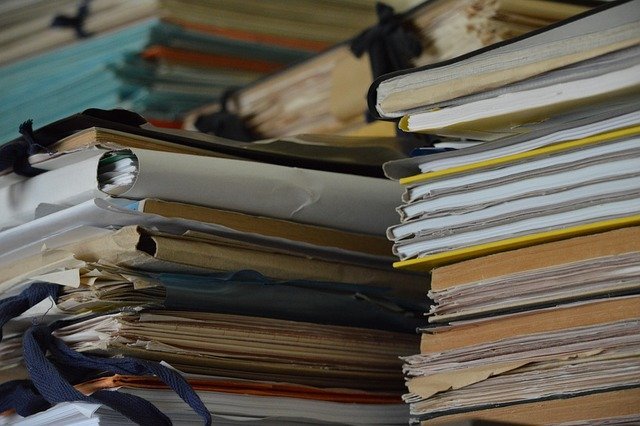
The Art of Declassification: Balancing National Security and Transparency
The delicate process of declassification is a crucial aspect of governance that involves the release of previously classified information to the public. This process embodies The Art of Declassification: Balancing National Security and Transparency. It seeks to uphold the principles of transparency while safeguarding national security interests.
Understanding Declassification
Declassification refers to the formal process of removing the classified status from documents or information. This can occur for various reasons, including:
- Expiration of the classification period
- Changes in the political landscape
- Public interest and demand for transparency
The Importance of Declassification
The Art of Declassification: Balancing National Security and Transparency is vital for several reasons:
- Promoting Accountability: Declassification allows citizens to hold their government accountable by providing insights into decision-making processes.
- Encouraging Public Trust: Transparency fosters trust between the government and the public, which is essential for a healthy democracy.
- Historical Record: Declassified documents contribute to the historical record, enabling researchers and historians to analyze past events.
Challenges in the Declassification Process
While the benefits of declassification are clear, the process is fraught with challenges. Here are some key issues:
National Security Concerns
One of the primary challenges is ensuring that declassification does not compromise national security. Sensitive information, if released prematurely, can:
- Endanger lives of individuals
- Compromise ongoing operations
- Damage diplomatic relations
The Role of Oversight
To mitigate these risks, oversight bodies play a crucial role in the declassification process. Agencies such as the National Archives and Records Administration (NARA) are responsible for reviewing documents before they are declassified. This ensures that:
- Classified information is handled appropriately
- National security is prioritized
Strategies for Effective Declassification
To achieve a balance between transparency and security, several strategies can be employed in the declassification process:
Implementing Clear Guidelines
Establishing clear guidelines for what constitutes declassifiable information can streamline the process. These guidelines should consider:
- Timeframes for automatic declassification
- Criteria for sensitive information
Engaging Stakeholders
Involving various stakeholders, including government officials, historians, and the public, can enhance the declassification process. This engagement fosters:
- Broader perspectives on the value of transparency
- Informed discussions about national security
Case Studies in Declassification
Examining historical instances of successful declassification provides valuable insights. For example:
The Pentagon Papers
The release of the Pentagon Papers in the 1970s exemplifies the impact of declassification on public discourse. This case highlighted:
- The importance of transparency in government
- The potential consequences of classified information
Recent Developments
In recent years, the declassification of documents related to the Cold War has shed light on previously hidden aspects of history. These developments reinforce the importance of The Art of Declassification: Balancing National Security and Transparency in contemporary governance.
For more insights into the intricacies of declassification and its implications, visit this resource. It provides a deeper understanding of how classified information is managed and the ongoing efforts to balance transparency with national security.
Understanding the Impact: How Dossiers Shape International Relations
In the complex landscape of global diplomacy, the role of intelligence and information is paramount. This is where the concept of dossiers comes into play. Understanding the impact: how dossiers shape international relations is crucial for comprehending the dynamics between nations. Dossiers, often classified intelligence documents, play a significant role in informing policy decisions, shaping perceptions, and influencing diplomatic strategies.
The Definition of Dossiers in International Relations
Dossiers are collections of documents that compile information about specific topics, individuals, or nations. In the context of international relations, these documents can include:
- Intelligence reports
- Economic assessments
- Military evaluations
- Political analyses
Understanding the impact: how dossiers shape international relations begins with recognizing their importance in providing a framework for decision-making. They serve as a foundation for governments and organizations to analyze potential threats and opportunities.
The Role of Dossiers in Policy Formation
Governments rely on dossiers to craft informed policies. Here’s how they contribute:
- Risk Assessment: Dossiers help identify potential risks associated with international engagements.
- Strategic Planning: They provide insights that guide long-term strategic decisions.
- Resource Allocation: Dossiers inform where to allocate resources most effectively in foreign policy.
By understanding the impact: how dossiers shape international relations, policymakers can make more effective decisions that align with national interests.
Case Studies of Dossier Influence
Several historical instances illustrate how dossiers have shaped international relations:
The Pentagon Papers
One of the most notable examples is the Pentagon Papers, which revealed critical information about the Vietnam War. The release of this dossier shifted public opinion and had profound implications for U.S. foreign policy.
Russia’s Intelligence Dossiers
In recent years, Russia has used intelligence dossiers to influence international perceptions and actions. Understanding the impact: how dossiers shape international relations can be seen in their strategic use of information to sway global narratives.
Challenges and Ethical Considerations
While dossiers play a vital role, their use raises ethical questions:
- Transparency: How much information should be disclosed to the public?
- Manipulation: Can dossiers be used to mislead or manipulate public perception?
- Privacy: What are the implications for individual privacy when compiling dossiers?
These challenges must be addressed to ensure that the understanding of the impact: how dossiers shape international relations is balanced with ethical considerations.
The Role of Technology in Dossier Compilation
Modern technology has transformed how dossiers are compiled and analyzed. Key advancements include:
- Data Analytics: Enhanced ability to process large datasets for more informed dossiers.
- Artificial Intelligence: AI tools can identify patterns and trends in international behavior.
- Cybersecurity: Protecting sensitive information within dossiers is crucial in a digital age.
Understanding the impact: how dossiers shape international relations is increasingly linked to technological advancements that enhance the accuracy and reliability of the information contained within them.
For more insights into the role of classified intelligence dossiers in shaping international relations, visit Jaxon Steele Books.